High blood pressure can occur with no obvious symptoms. Many people have high blood pressure and don’t even know it.
Unless, your blood pressure climbs out of control.
Your blood vessels are like an old garden hose that is stiff and cracked. If you turned on the water full blast, it would cause a leak or a bulge in the hose, and cause the hose to suddenly burst.
When blood pressure shoots up over 180/100, it becomes a medical emergency that needs immediate attention.
This is called a “hypertensive crisis”.
A hypertensive crisis creates surges of blood that can become bulges in the walls of your arteries, especially in the brain or the major blood vessels in the body, like the aorta. These bulges—or aneurysms, as they are called, can burst at any moment.
This becomes a serious health emergency, and your life is at risk.
A hypertensive crisis causes damage to blood vessels, your organs, and your brain.
A hypertensive crisis is a critical health issue and a symptom that a stroke may be on its way.
Signs and symptoms of a hypertensive crisis include:
- Severe chest pain
- Severe headache, confusion, and blurred vision
- Nausea and vomiting
- Severe anxiety
- Shortness
of breath
- Seizures
- Unresponsiveness
Don’t wait if you have a hypertensive crisis. See a doctor or go to the ER immediately. It can quickly turn into a deadly stroke.
Strokes can be classified as either ischemic or hemorrhagic. Ischemic strokes are blockages in the blood vessels of the brain and can starve certain parts of the brain from oxygen, killing the brain cells. This can result in paralysis of a limb, the face, or cause deficits in vision, hearing or speaking. Often ischemic strokes can improve, with occupational and physical therapy.
A hemorrhagic stroke is much more serious. Hemorrhagic strokes are often the result of a bulging blood vessel in the brain, due to high blood pressure. This aneurysm can burst, causing a major bleed in the brain. Hemorrhagic strokes have a much higher risk of death or permanent disability, if survived.
Symptoms of both types of strokes
include:
- Sudden numbness or weakness in the face, arm, or leg, on one side of the body.
- Sudden confusion, trouble speaking, or difficulty understanding speech.
- Sudden trouble seeing in one or both eyes.
- Sudden trouble walking, dizziness, loss of balance, or lack of coordination.
- Sudden severe headache with no known cause.
It’s extremely important to monitor your blood pressure, and keep it under control to protect your health. Making important lifestyle and dietary changes to lower
your blood pressure is vital.
Monitoring your blood pressure is critical… but BP is only one piece of the heart-health puzzle.
What’s alarming is that many people with “normal” blood pressure still experience heart attacks with no warning at all.
A Duke University doctor now believes the missing link is a specific heart-strength nutrient almost everyone is low in… and he explains why in this short video:
Duke MD: “#1 Heart Attack Sign… It’s NOT Chest Pain, Cholesterol, or BP”
The first sign of a heart attack is almost never chest pain…
High cholesterol… or high blood pressure.
The new discovery of a top Duke University doctor has stunned cardiologists worldwide:
If the levels of this one nutrient in your heart are LOW, your chances of heart issues skyrocket.
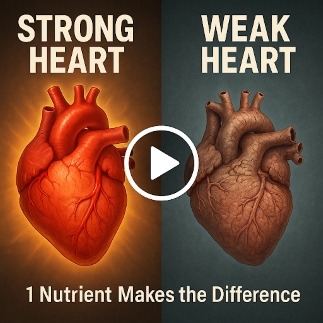
(Hint: it’s not Omega-3s.)
This common deficiency leaves no trace on standard blood work panels.
Which means even with perfect cholesterol & normal blood pressure, you could STILL be at serious
risk.
“Almost everyone forgets their heart is a muscle. And like any muscle… it needs protein-like nutrients to stay strong,” says Dr. Rick Cohen.
Dr. Cohen’s natural solution has helped thousands of people enjoy a healthy heart without living on drugs.
And he’s released a short video revealing a simple pre-shower technique to keep your heart strong.
Watch it here:
>>> Duke University MD Reveals The #1 “Heart Strong” Nutrient Backed By 600+ Studies
Coach Westy